Power outage and blackouts
Fridge, heating, cash, elevators, and medication: how to get through days without electricity without ruining anything important.
Power outage is the most likely emergency
Every year there are thousands of blackouts due to storms, breakdowns, or grid overload. Most last hours, but a DANA or a strong storm can leave neighborhoods without power for several days. It's the cheapest catastrophe to prepare for and the one you notice the most.
Fridge and freezer: the 4-hour rule
- DO NOT open the fridge: closed, it keeps the cold for 4 hours; a full freezer, 24-48 hours.
- Write down the order of consumption: first the fridge items (dairy, meat, fish), then the freezer items.
- Fill water bottles and freeze them before a storm warning: as they thaw, they keep the cold and provide drinking water.
- If meat thaws and has been at room temperature for more than 2 hours: throw it away.
- When in doubt, throw it out: food poisoning during a blackout is preventable and worse than losing food.
Heat and cold without electricity
- Winter: dress in layers (3 thin layers > 1 thick one), blankets, and gather in ONE room.
- NEVER use braziers, stoves, or generators indoors: risk of fire and carbon monoxide poisoning (invisible and deadly).
- Summer: lower blinds during the day, ventilate at night, use damp cloths, hydrate more.
- Hot water in the tank lasts 24-48 h: use it wisely (hygiene first).
What gets forgotten when there's no power
- Cash: without power, card terminals don't work (ATMs do, for a while).
- Elevators: if you live on a high floor, prepare a light backpack to take the stairs.
- Water: electric wells and pressure pumps stop providing water; store it in advance.
- Medication that needs refrigeration: emergency plan (portable cooler, ice).
- Pacemakers and medical devices: know your equipment's battery life and call 112 if it fails.
- Chargers: full power bank, car charger (the car is a generator).
- Fridge: turn the thermostat to maximum before a blackout warning.
- Electric blinds: learn to operate them manually or have a plan (square key).
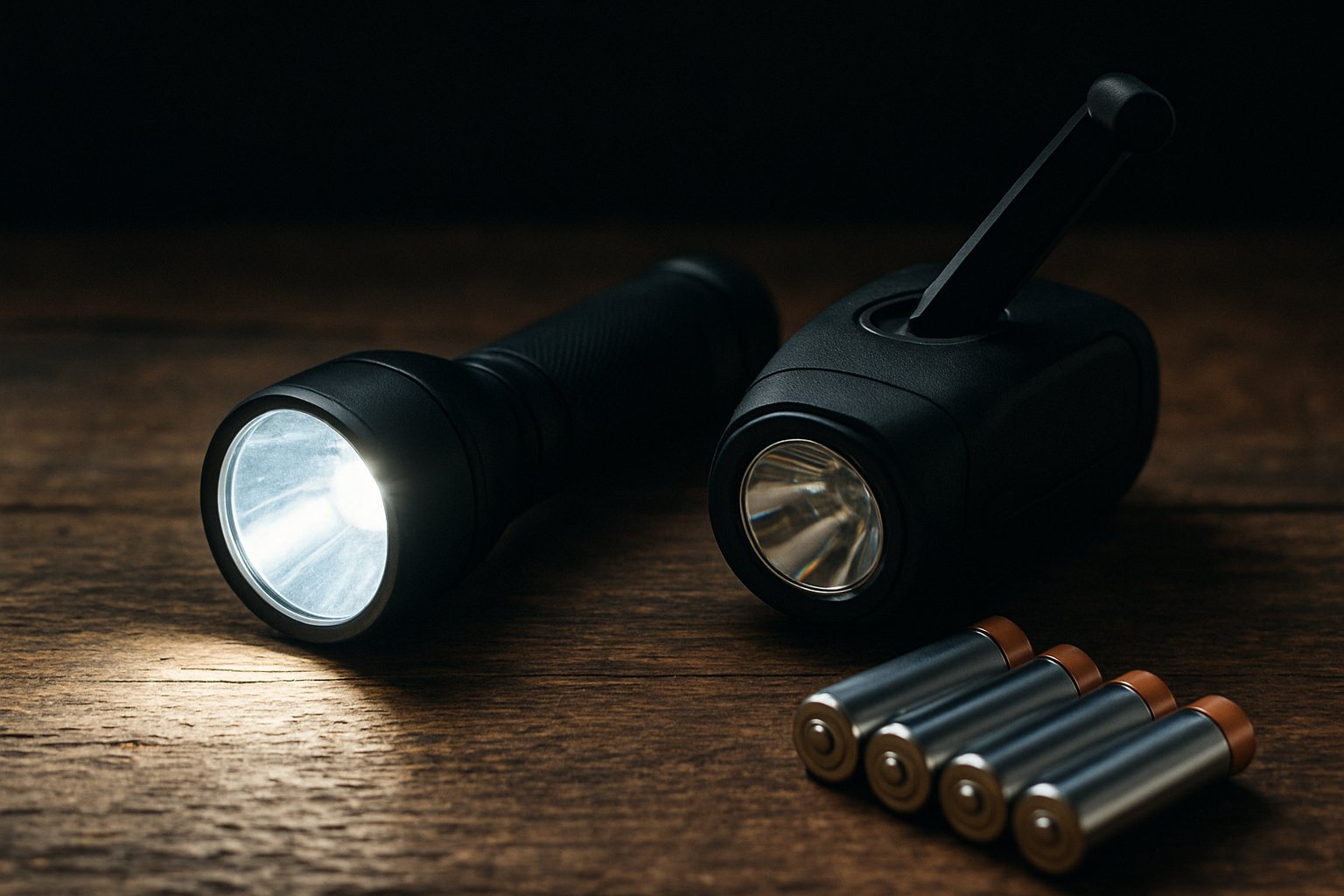
- Lights: one flashlight per person and key room; candles ONLY with supervision.
- Battery-powered radio to know when power returns and what's happening.
When power returns
- Plug in appliances one by one to avoid overloading the grid.
- Check the fridge: if the outage was long, inspect the food before consuming.
- Restock the kit (batteries, power bank, candles) immediately: the next outage may come soon.
Carbon monoxide kills without smell or color. Never put a generator, brazier, or stove inside the house, a closed garage, or less than 3-5 m from an open window.