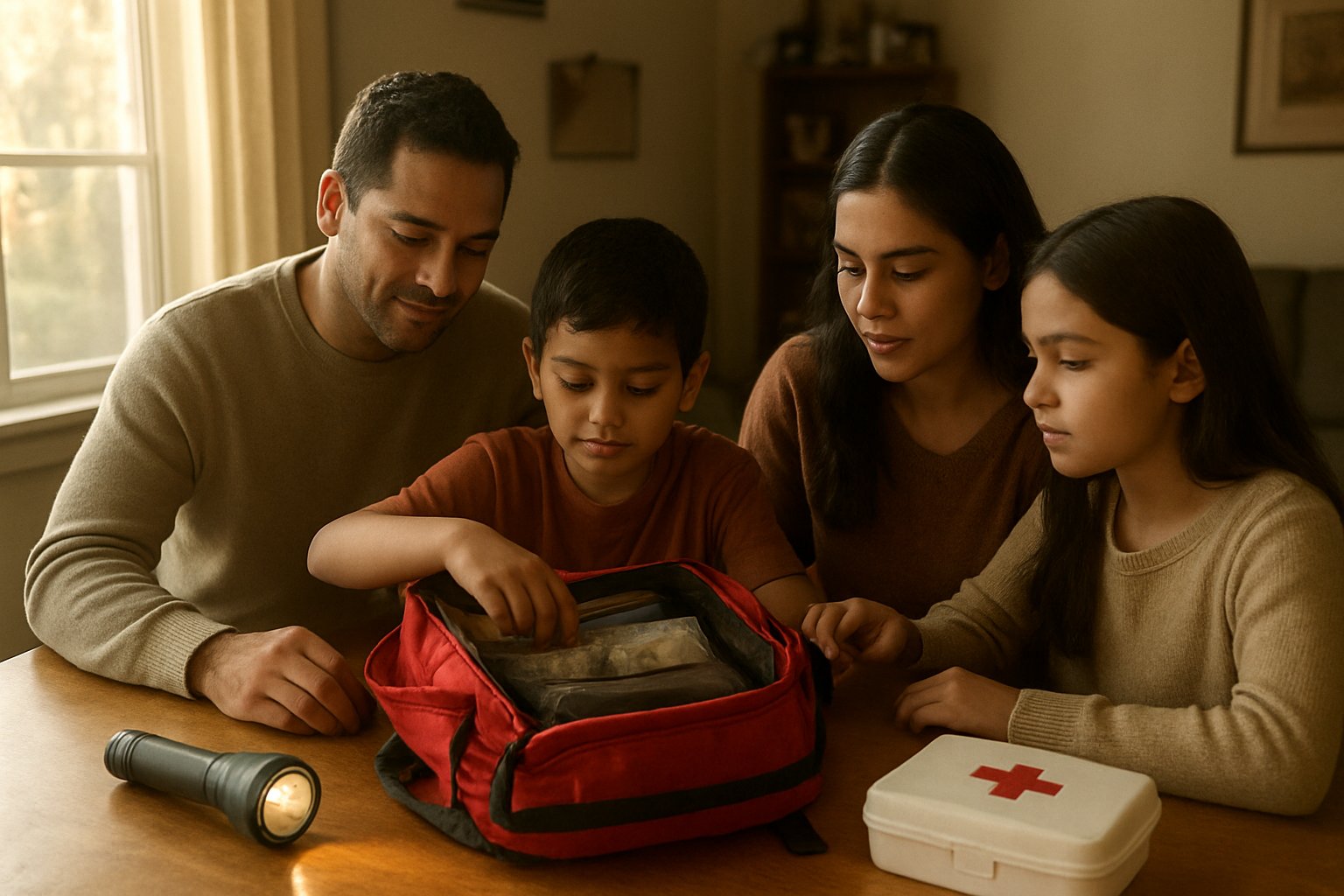
Ready for the critical 72 hours
Earthquakes, floods, fires, power or water outages. The first 3 days are on you: no one will arrive in the first hour. Prepare your kit, your plan, and your family with downloadable PDF guides — to have them even without internet.
Why 72 hours?
Civil Protection agencies worldwide use the same reference: your municipality and emergency services take between 48 and 72 hours to reach you in a major disaster. That gap is yours to cover.
Services cut off
No power, no running water, no gas, no mobile signal. Supermarkets and ATMs close too. Your home stops being self-sufficient within minutes.
Help takes time
Firefighters, ambulances, and civil protection prioritize severe injuries and critical areas. In a mass event, the first real response arrives in days.
The golden window
What you do in the first hours decides the rest: securing water, protecting documents, sealing windows, deciding to stay or evacuate.
Downloadable guides in PDF
Download, print, and keep in your backpack. When there's no internet, paper still works. Each guide includes lists, steps, and ready-to-use templates.
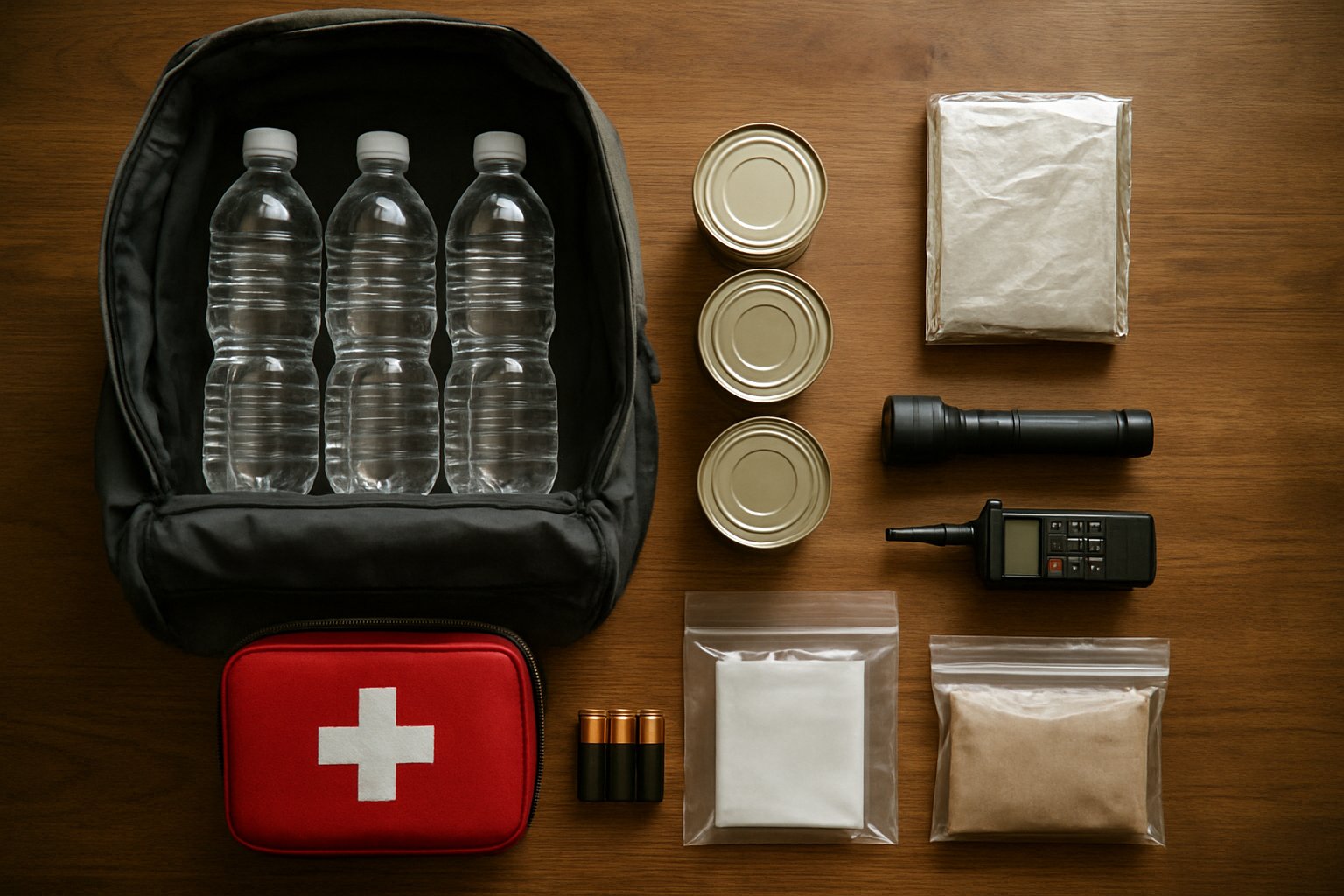
72-Hour Emergency Kit
The backpack that gets you out of the house in 7 minutes. Complete list, weights, and tips to put it together without overspending.
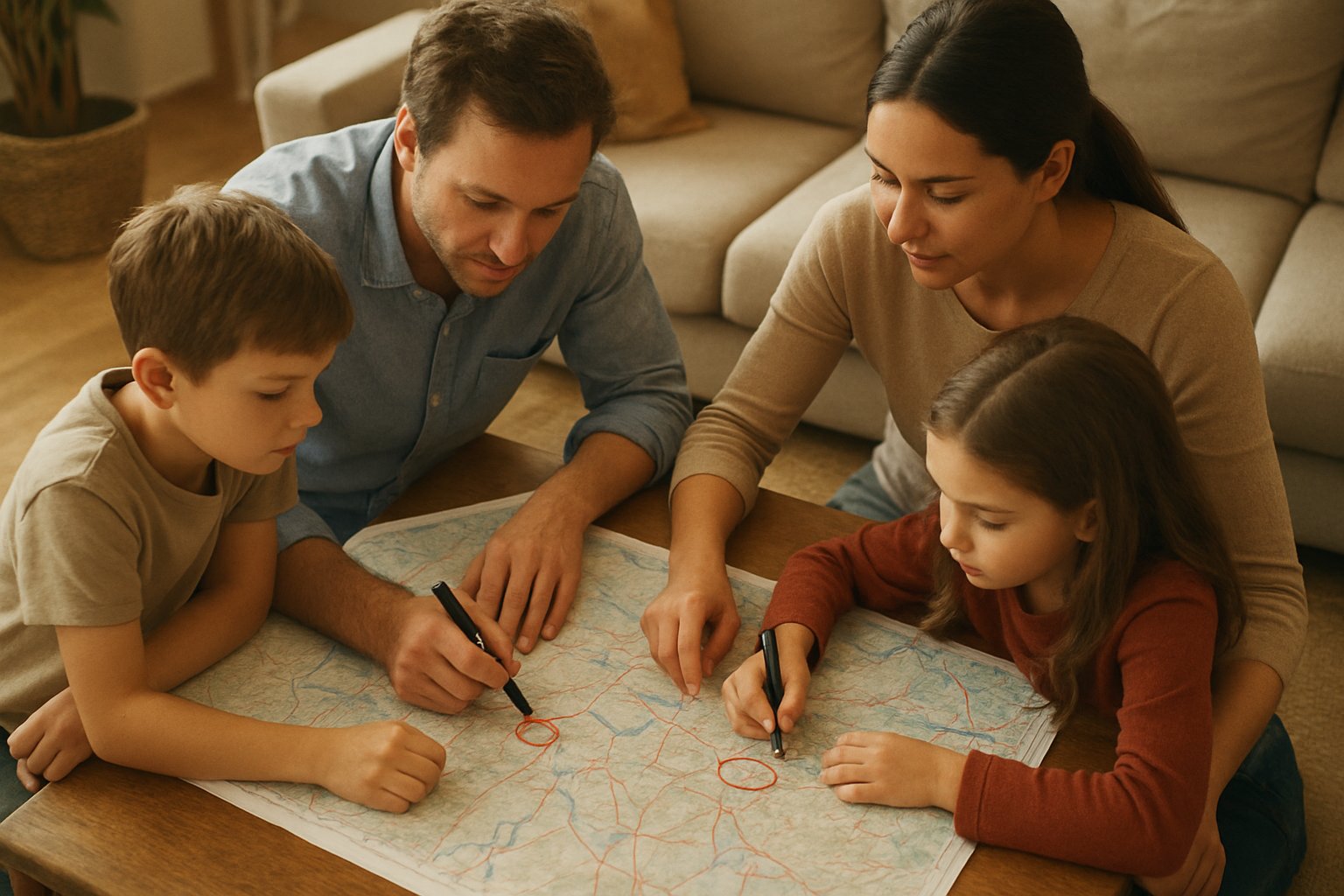
Family Emergency Plan
The template you fill out in 20 minutes that can save your family when you're not together.
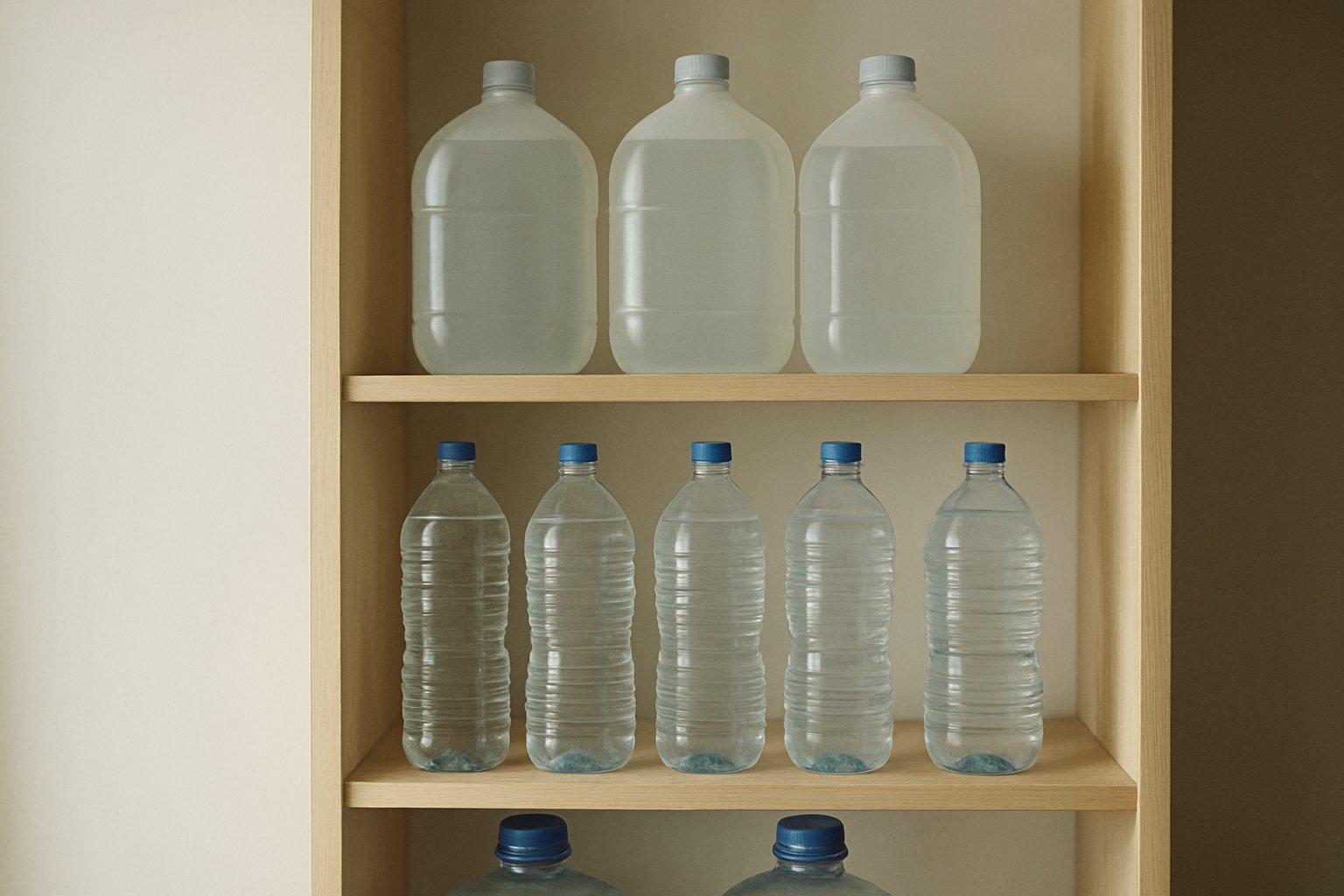
Water: Storage and Purification
How much you need, how to store it so it doesn't spoil, and 4 methods to make water potable when the tap doesn't work.

Emergency Food
Supplies for 72 hours and for 2 weeks without cooking: what to buy, how to rotate it, and menus that don't need a fridge.
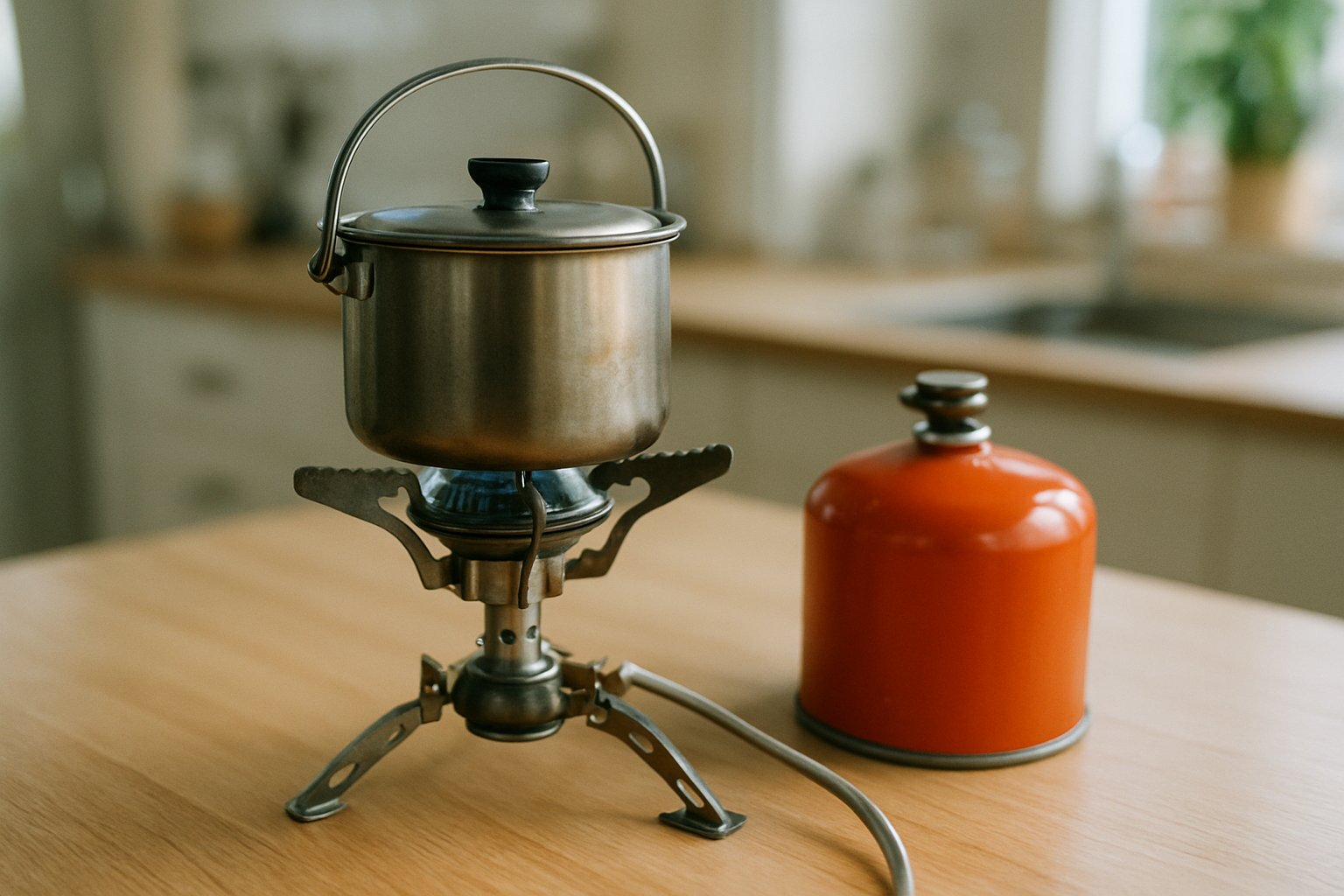
Sheltering in the City: Stay or Evacuate
Earthquake, flood, or fire in an apartment: how to protect your home, when to stay, and when to leave without putting anyone at risk.
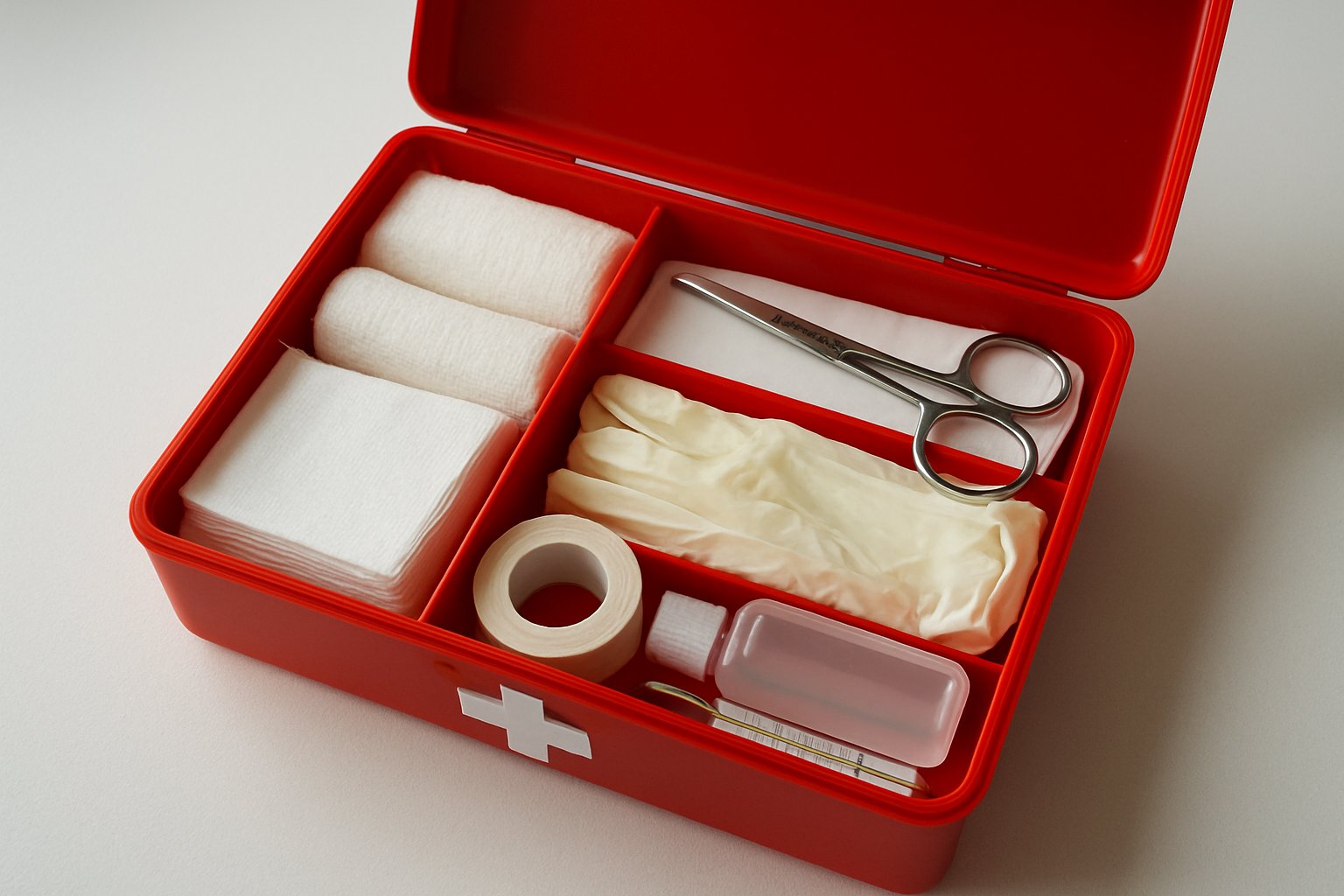
Basic First Aid
CPR, choking, bleeding, burns, and fractures: the minimum every family should know.
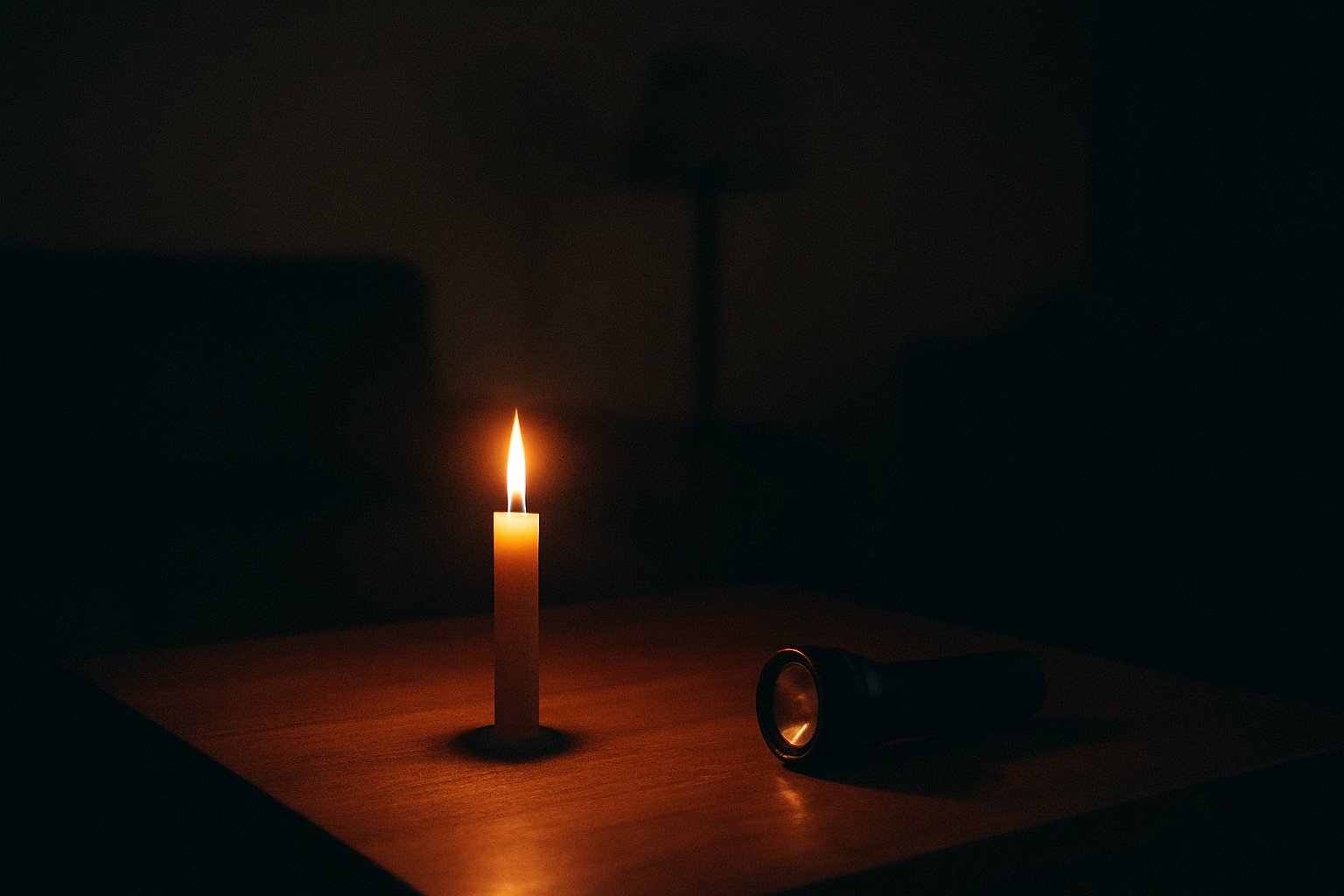
Communications Without a Mobile Phone
Radio, the 3-call rule, written messages, and how to alert your family when the network goes down.
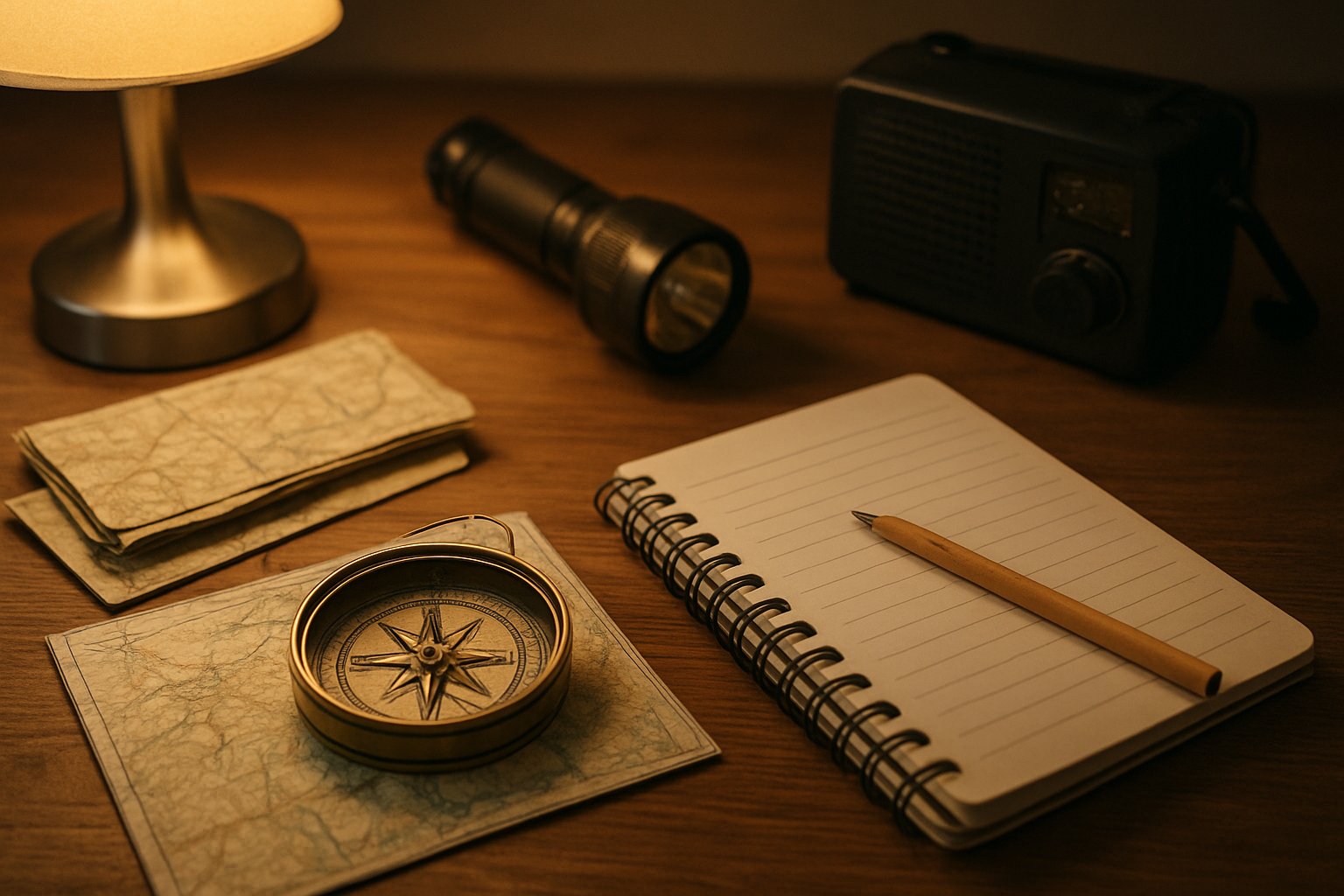
Vital Documents Folder
ID, policies, deeds, prescriptions, contacts: what to copy, how to protect it, and the folder that leaves with you.
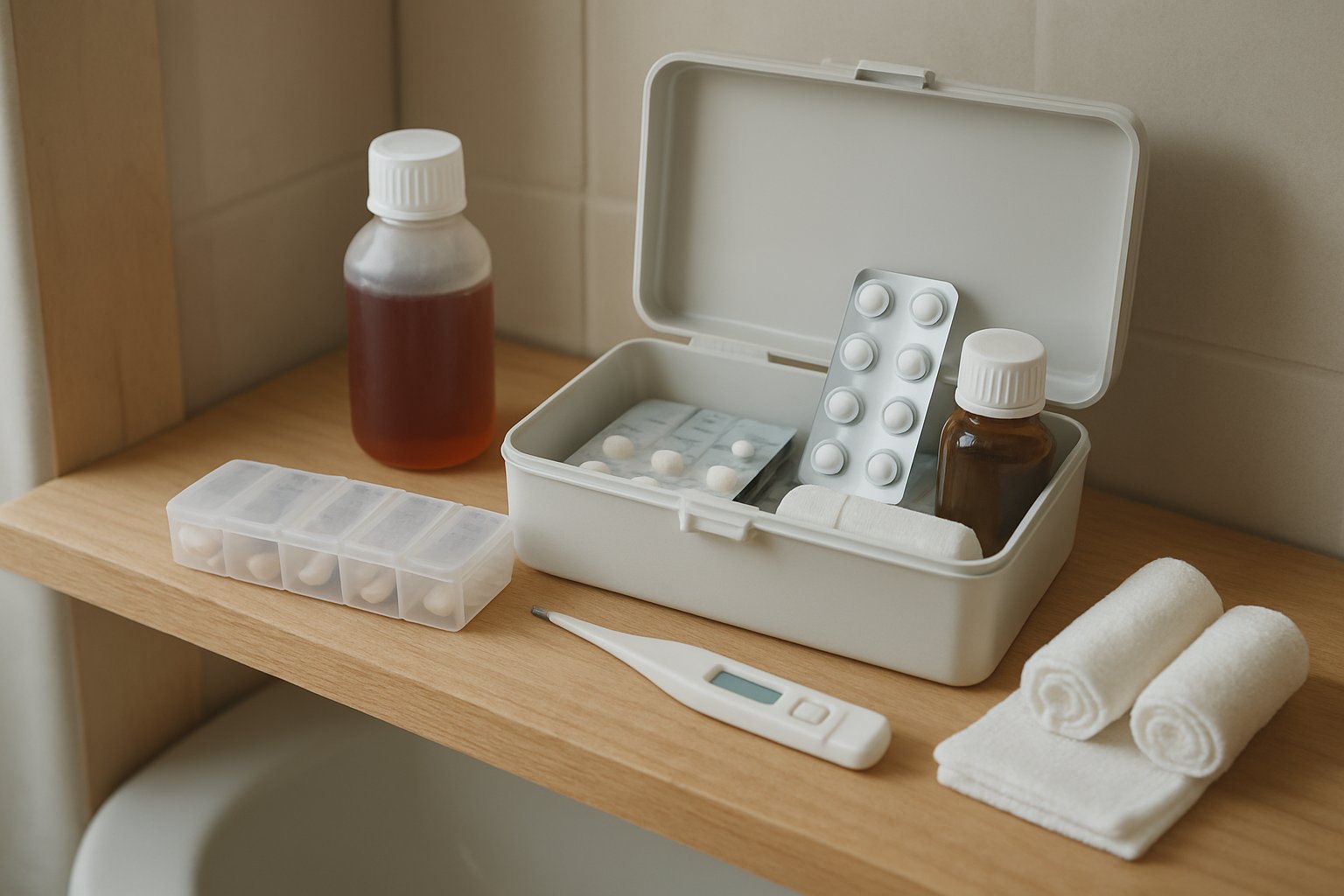
Home and backpack first aid kit
Complete list of supplies, personal medication, and expiry dates. The first aid kit that fits in a lunchbox.
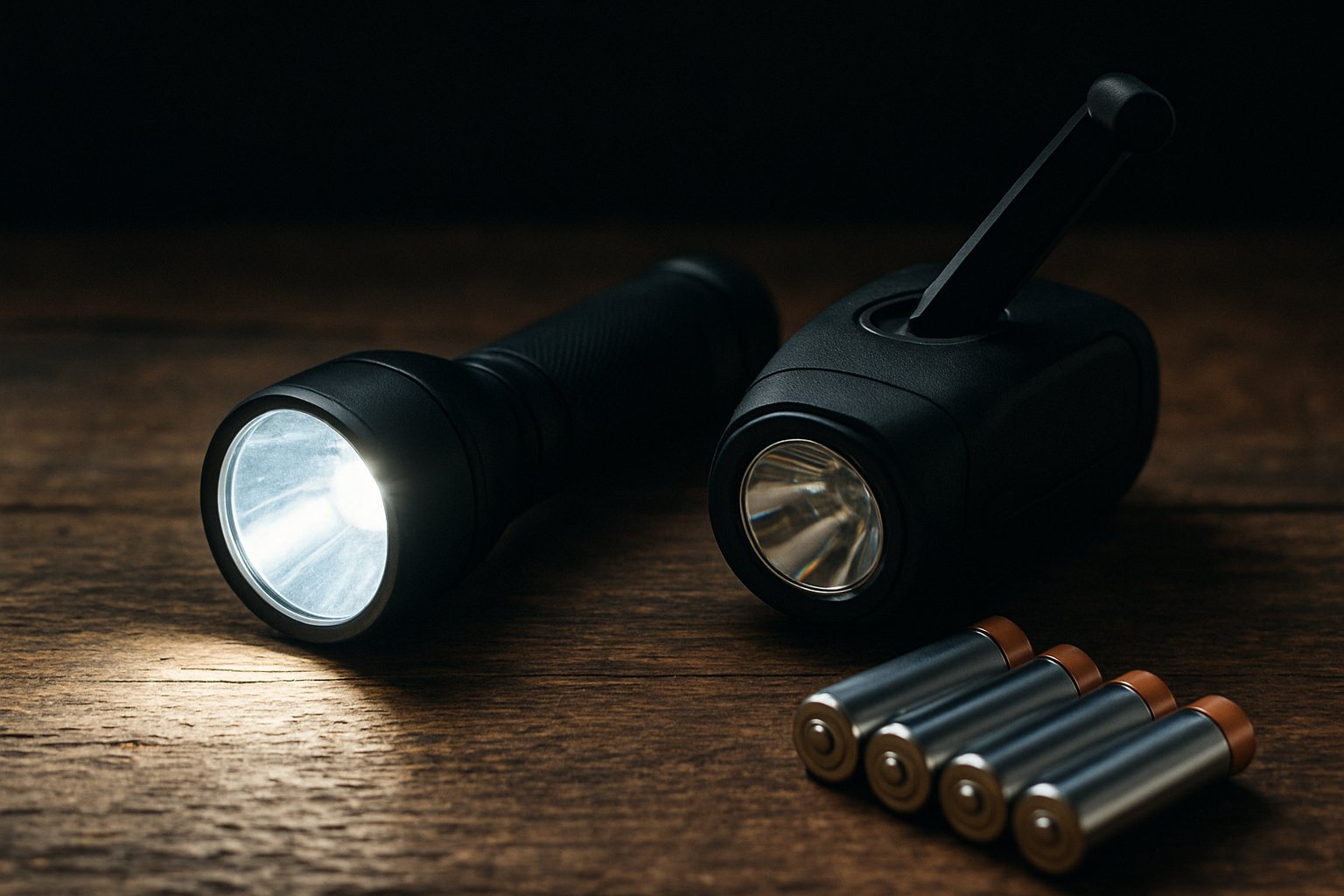
Power outage and blackouts
Fridge, heating, cash, elevators, and medication: how to get through days without electricity without ruining anything important.
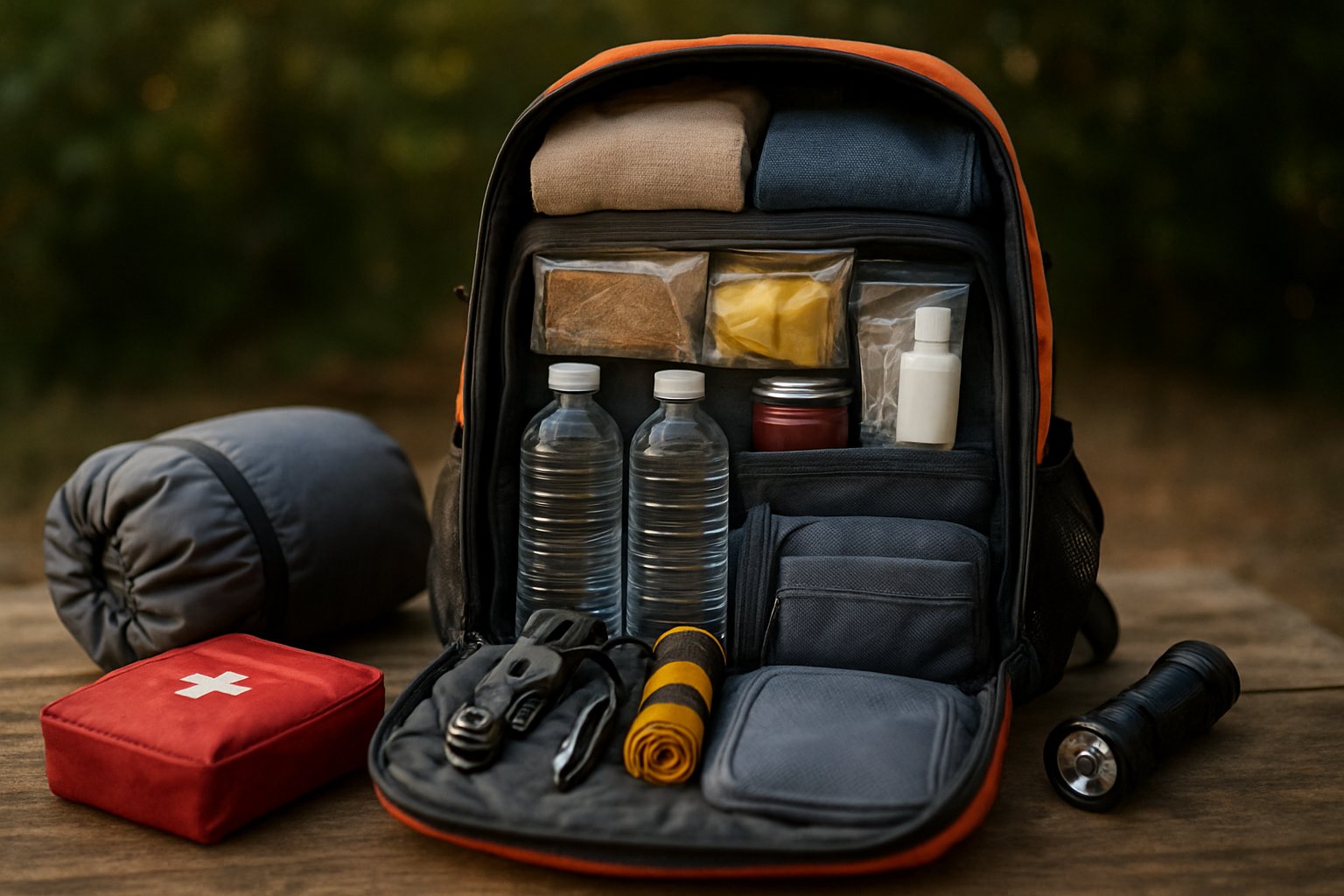
48-hour evacuation backpack
The lightweight version for real evacuations: the essentials for two days away from home.
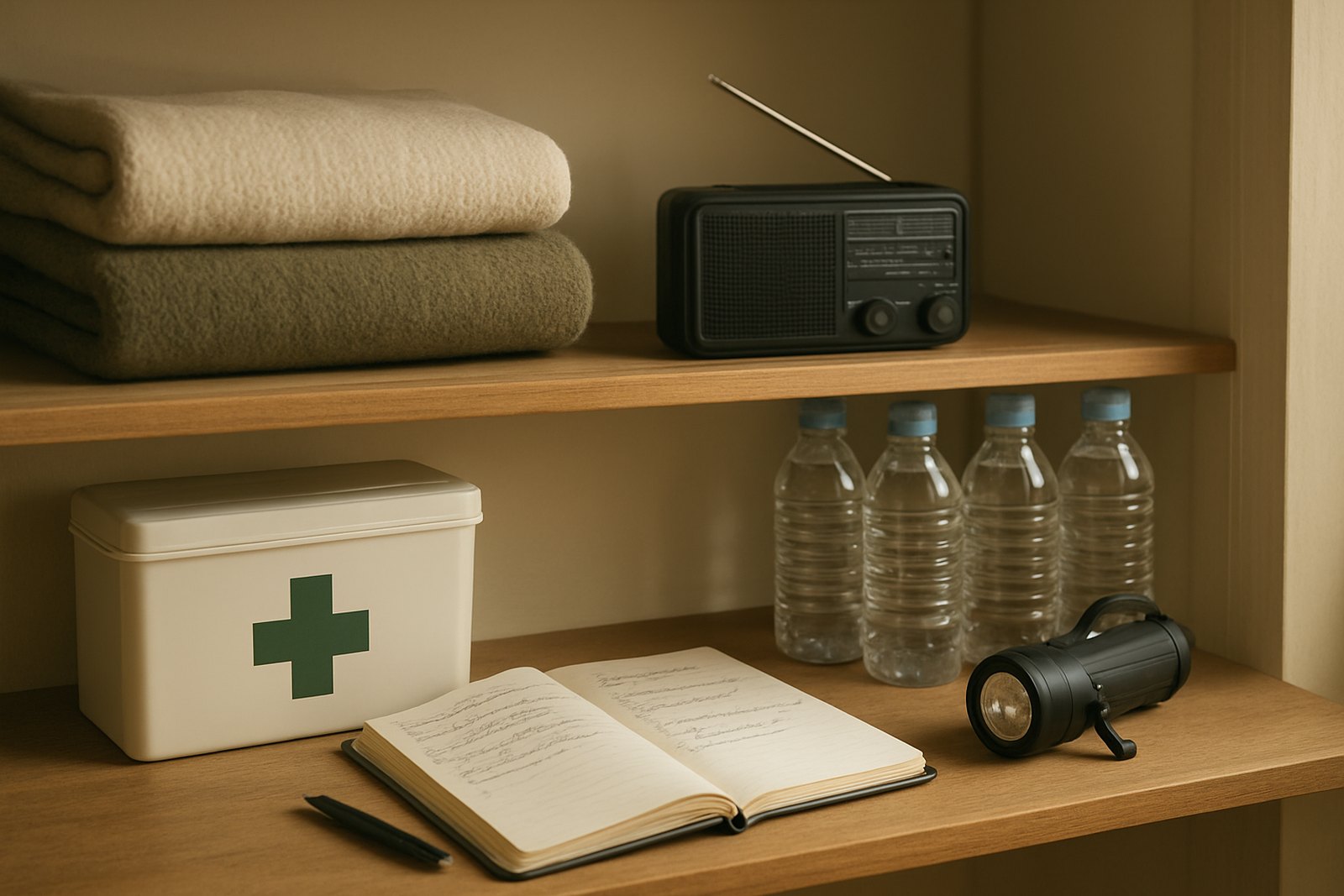
International tension: prepare without alarm
What European authorities actually recommend if the world gets complicated. No alarmism, no bunker: the same things you already need for a blackout, applied to a longer scenario.
The essential 72-hour kit
Check what you already have. Progress is saved on your device. At the end, download the printable version.
Beyond the kit
Gear is 20%. The other 80% is planning, communication, and decisions made calmly before something happens.
Family emergency plan
Meeting point, out-of-town contacts, roles for each member, and what to do if you're separated. Fill out the template in 20 minutes.
Template in the PDF guide →Communication without a phone
The network goes down or gets congested. AM/FM radio, written notes, message drop points, and the 3-call rule: one contact outside your area.
Communication guide →
City vs. nature
Most people live in cities: the risk is different (structures, gas, crowds) and so is the plan. You don't need a bunker.
Urban shelter guide →Documents you can't lose
ID, passport, deeds, policies, prescriptions. Paper copies, encrypted digital ones, and a folder that goes with you in your evacuation backpack.
Emergency folder →Alerts and numbers you should know
112 — Emergencies
Single number across the EU. Works without your carrier's coverage if any network is available.
Es-Alert
Civil Protection alerts to your phone by affected area. Don't silence it: in a real emergency, it's your official notice.
AEMET · IPMA
Official weather alerts for Spain and Portugal. Check your municipality's alert level before each weekend.
Emergency radio
National Radio (RNE) and local stations broadcast official instructions. A battery or crank radio is essential.
Common questions
Is this for paranoid people? Do I really need to prepare?
Preparing isn't living in fear: it's buying cheap insurance. In Spain and Portugal, there are floods, fires, storms, and supply cuts every year. Having water, a flashlight, and a plan costs less than an afternoon and can change a bad day.
How much does it cost to put together the 72-hour kit?
With less than €60–80, you have the essentials: water, non-perishable food, flashlight, radio, first aid kit, emergency blanket, and document copies. Most things you already have at home: you just need to gather them in a backpack.
What do I do with the guides if I don't have internet?
That's the point: download BEFORE the emergency. Keep them on your phone, a USB, and on paper. The complete kit guide brings everything into one PDF so you print once and put it in your backpack.
Stay home or evacuate?
It depends on the official notice and the type of event. The general rule: if authorities say evacuate, evacuate. If you stay, seal doors and windows, go to the highest floor in floods, and never cross flooded areas on foot or by car.
Do these guides work outside Spain?
The basics are universal (water, warmth, communication, planning). The alerts and numbers sections are designed for Spain and Portugal, with references to the European 112 and the Es-Alert / IPA-ANPC systems.